
Travel is no longer only about where we go.
It is about how and why we choose to move.
What I see emerging is not a new set of destinations, but a new set of needs. People are travelling differently: seeking clarity rather than distraction, restoration rather than stimulation, connection rather than accumulation. They are no longer asking only What will I see? but What will this journey give me?
At Ubuntu, I don’t simply observe this shift. I design from it.
Every journey I create is shaped by these changing desires: for slowness, for depth, for experiences that feel considered rather than consumed. Travel is no longer about filling time. When designed with care, it becomes the quiet architecture that holds a journey together shaping how it feels, how it unfolds, and what it leaves behind.
A journey now begins long before departure and continues long after return. It changes how we see, how we listen, how we move through our lives.
What follows are not trends in the traditional sense. They are patterns I see rising from real human longing and the principles I already use to design journeys that feel grounded, personal, and alive.
Purpose, Without Performance
Today’s travellers are no longer interested in symbolic gestures of “doing good.” They want something more honest: time with communities, encounters with living traditions, and a deeper understanding of how land, culture, and conservation intersect.
This is not voluntourism.
It is not about optics.
It is about presence.
In these journeys, meaning is not announced. It is felt.
Conservation becomes conversation.
Shopping becomes stewardship.
Stays become lessons in how ecology, design, and responsibility can coexist.
With my partners, this depth is not an obligation; it is simply how the journey is built. Purpose is not imposed. It is integrated. You return not just with memories, but with a quieter sense of alignment with what matters to you.
1. Family as the First Ecosystem
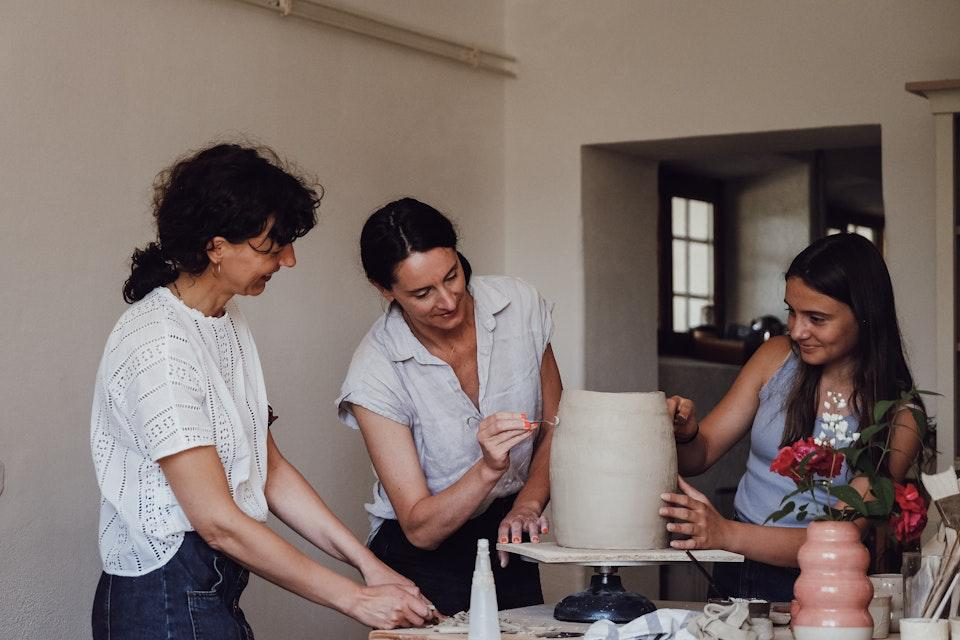
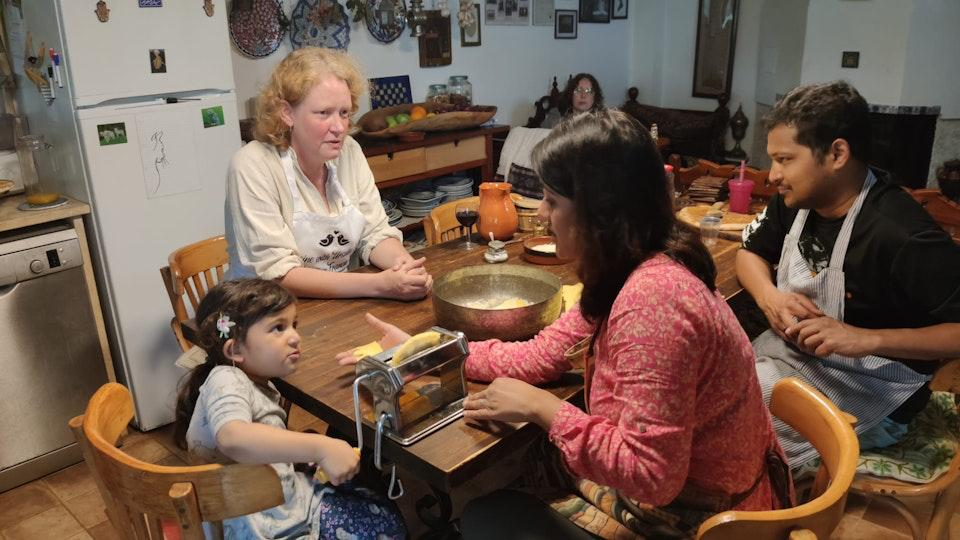
Families are increasingly using travel not as entertainment, but as a way to return to one another.
These journeys are less about constant activity and more about shared rhythms — walking, cooking, listening, learning, resting. They allow different generations to meet as equals, without roles, without rush.
Here, wellness is not individual. It is relational.
It lives in shared meals, repeated stories, slow mornings, and moments where memory is formed quietly.
I already see this unfolding through multi-generational journeys across India, Bhutan, parts of Europe, Australia, and South America, especially in nature-led landscapes where families learn, create, and move together.
2. Relearning Time Through the Night Sky
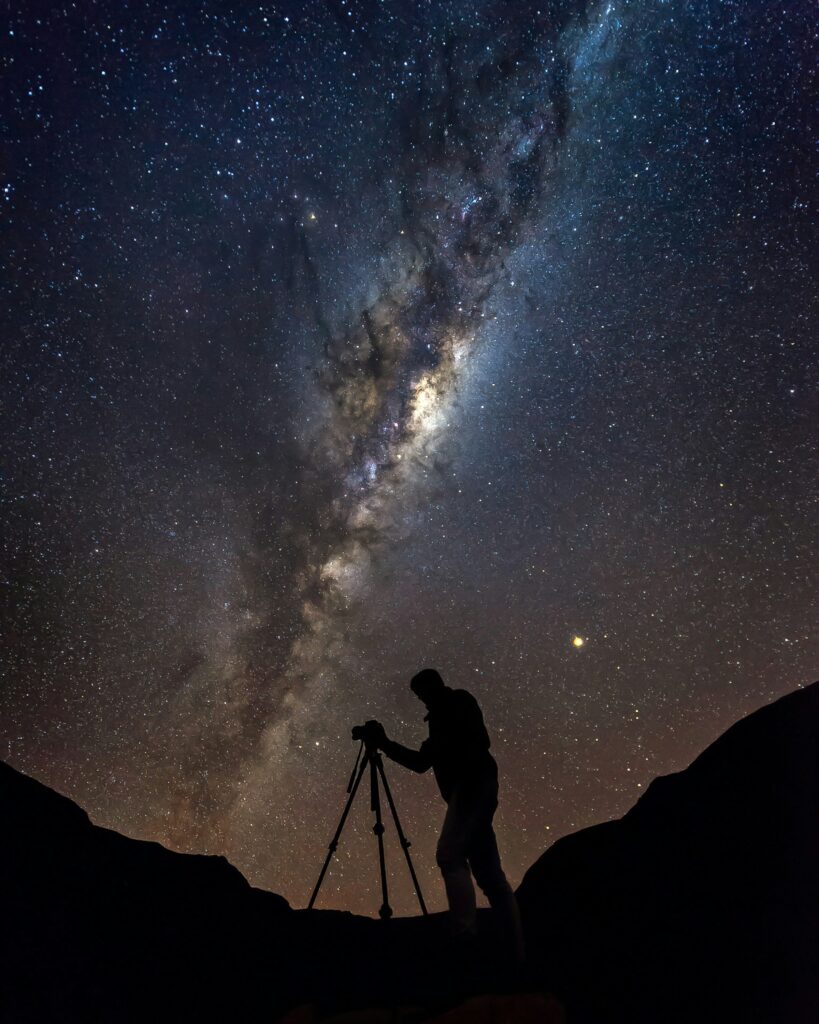
As life becomes faster and more mediated, many travellers are looking upward — quite literally.
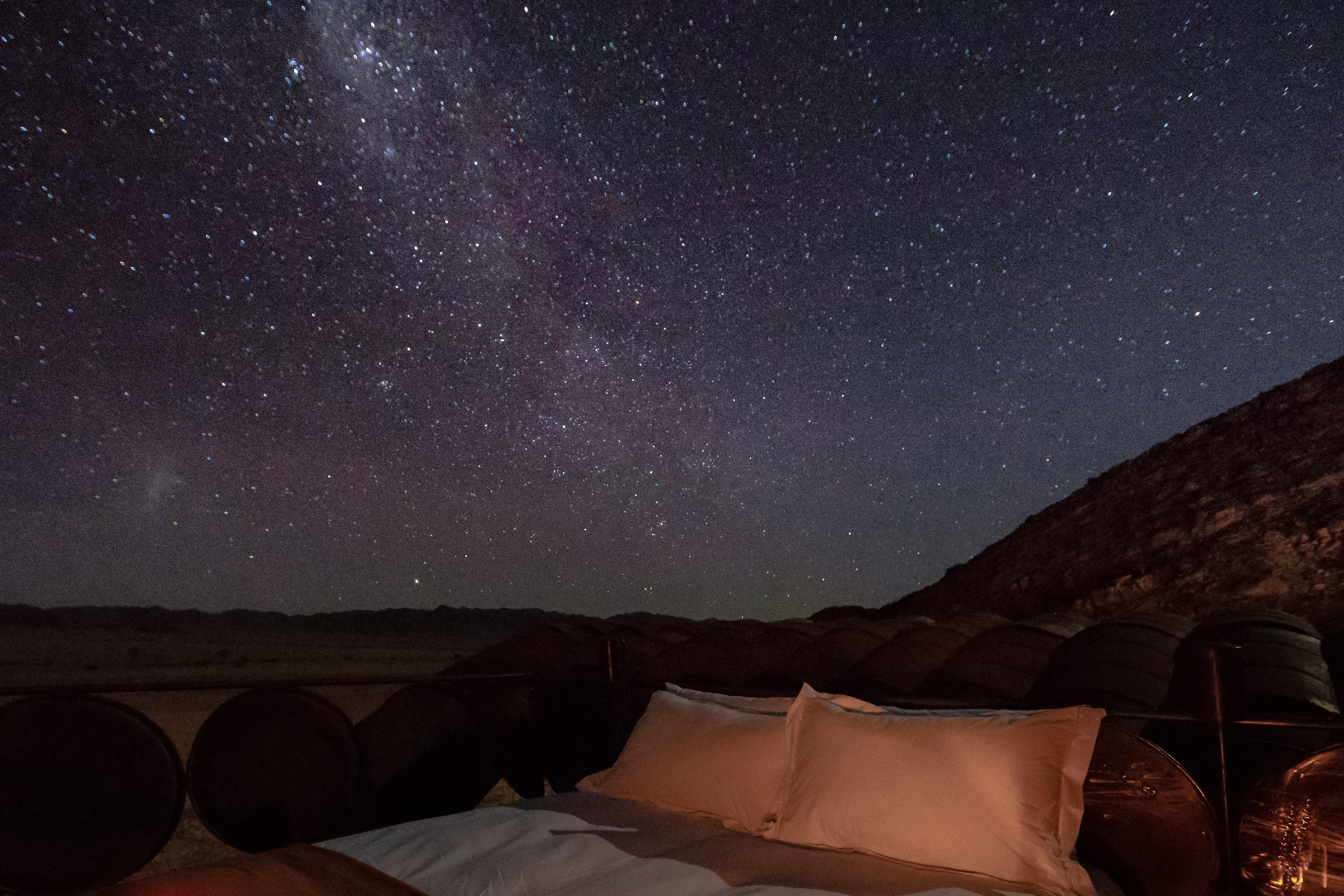
Dark-sky sanctuaries, stargazing, cosmology, and indigenous star knowledge offer a way of reconnecting with time that isn’t measured in calendars or screens. These journeys return people to a scale that humbles and steadies.
Under vast skies, perspective shifts. Awe returns. The body slows. The mind softens.
I see these journeys emerging across desert landscapes in India and Africa, the Australian outback, parts of Chile and Argentina, remote islands, and forested regions of Scandinavia and Japan – places where ancient cosmologies and deep time reshape how we understand our place in the world.
3. Water as Memory, Medicine, and Movement
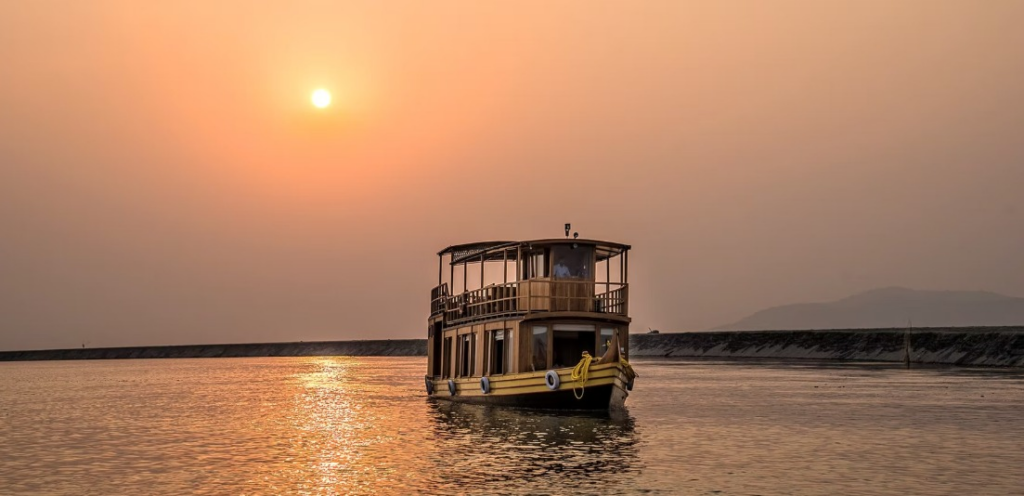
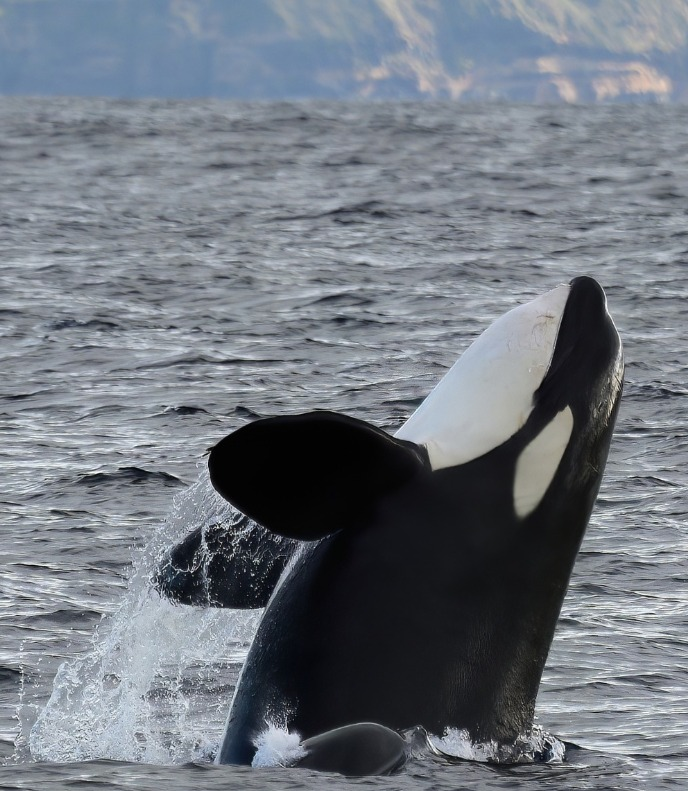
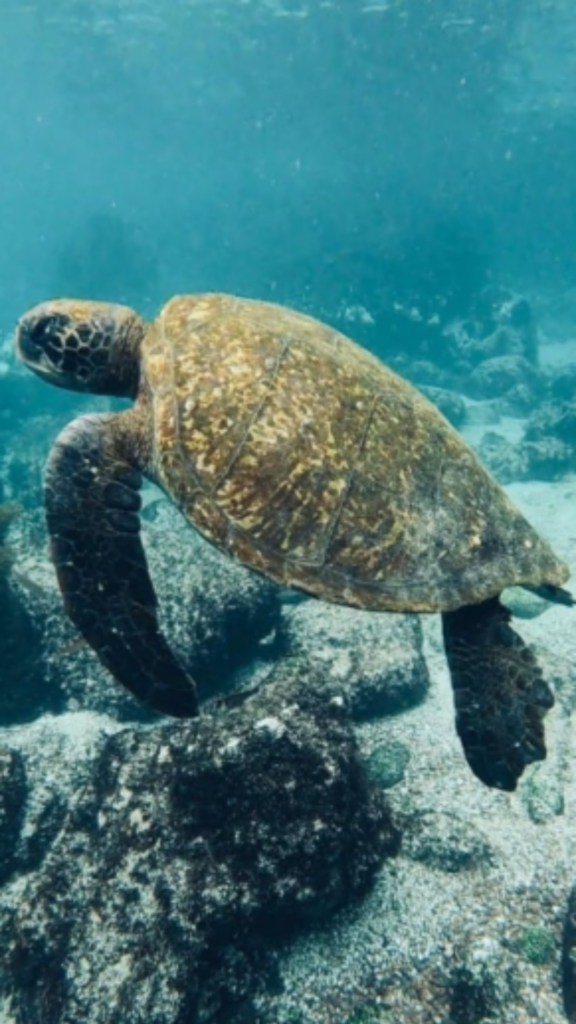
Water has always carried stories of survival, ritual, migration, healing, and climate.
These journeys place water at the centre: oceans, rivers, springs, rainforests, wetlands. Not simply as scenery, but as a living presence that shapes culture, ecology, and identity.
They are deeply restorative, but also quietly educational. Travellers come to understand water not only as a sensory experience, but as a cultural force and a climate truth.
These journeys are emerging across islands, river systems, rainforests, and coastal regions wherever water continues to shape how people live, remember, and adapt.
4. The Cool Belt: Rethinking Europe Through Climate and Calm
Climate is already changing the way people move through the world.
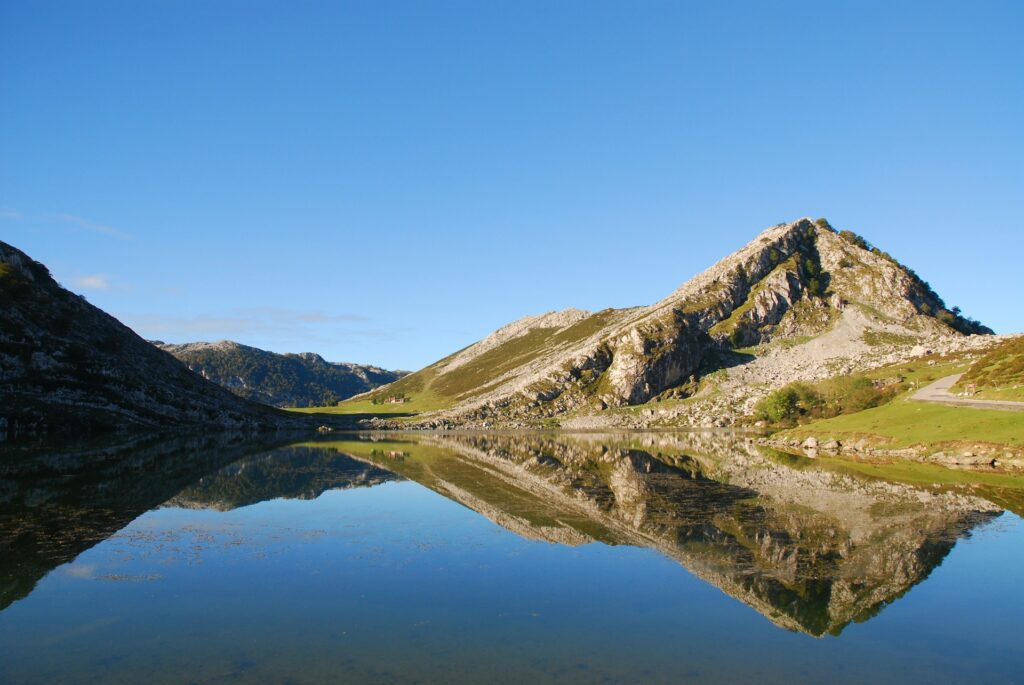
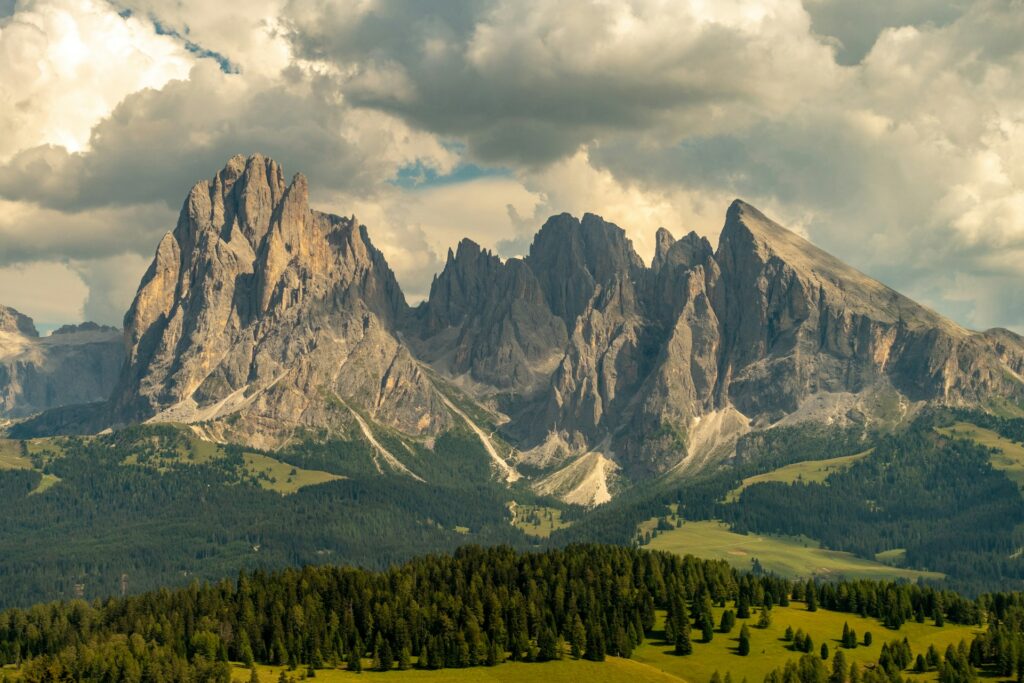
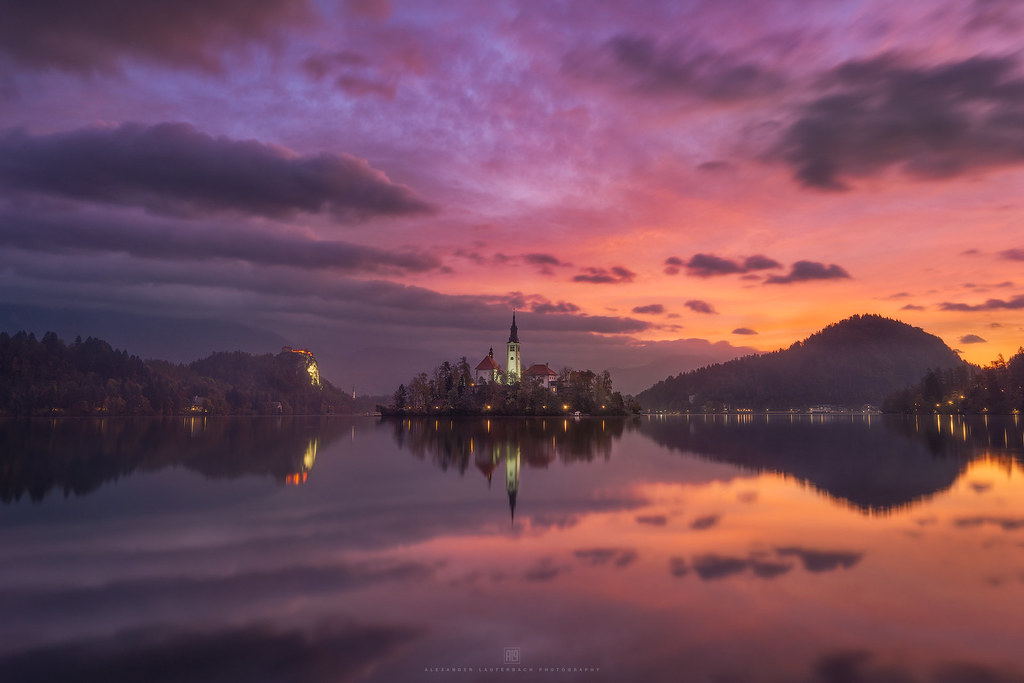
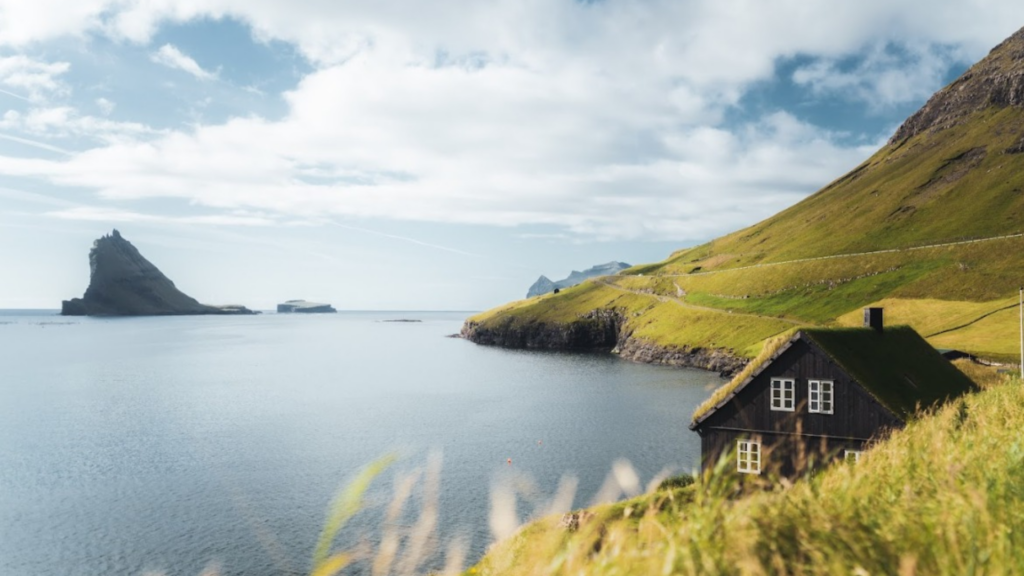
As summers grow hotter and denser, travellers are turning toward northern and temperate regions of Europe — forested landscapes, alpine zones, coastal edges where slowness feels natural and seasons still matter.
These journeys prioritise walkability, seasonal intelligence, thoughtful design, and cultural depth over spectacle. They offer a quieter, more breathable way of experiencing the continent.
I often suggest routes through Scandinavia, the Baltics, Alpine regions, northern Italy, Romania, Slovenia, coastal France, and quieter parts of the UK – places where climate and calm naturally align.
5. The Pursuit of Quiet
Silence is no longer emptiness.
It is medicine.
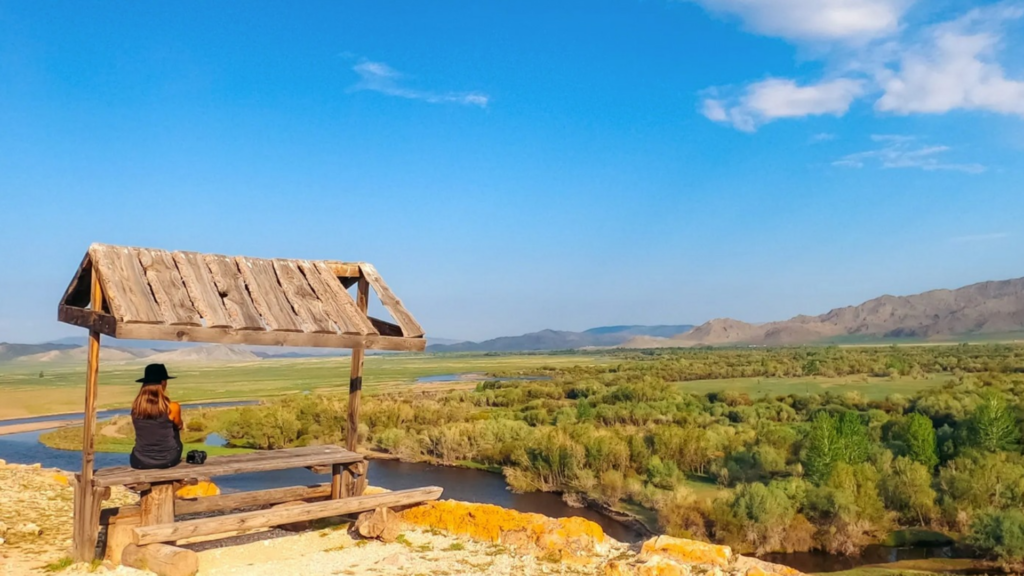
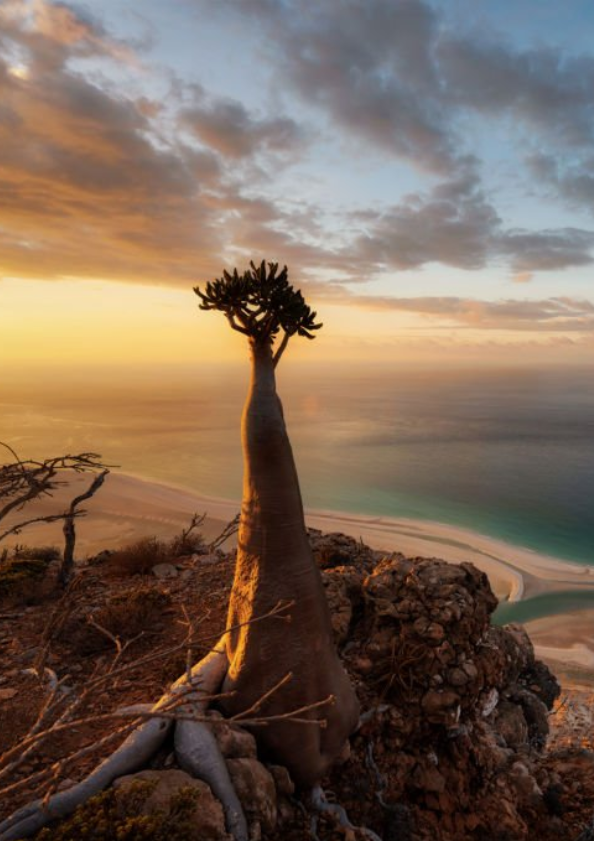
Travellers are seeking spaces where sound is intentional — wind through trees, water against stone, bells in the distance, birds at dawn. These journeys are not about muting the world, but about learning how to listen again.
They restore the nervous system.
They recalibrate attention.
They teach presence.
Quiet-led journeys already form a core of Ubuntu’s work across India, Bhutan, Japan, parts of Europe, South America, and Canada – in deserts, monasteries, forests, and remote sanctuaries where listening becomes the experience.
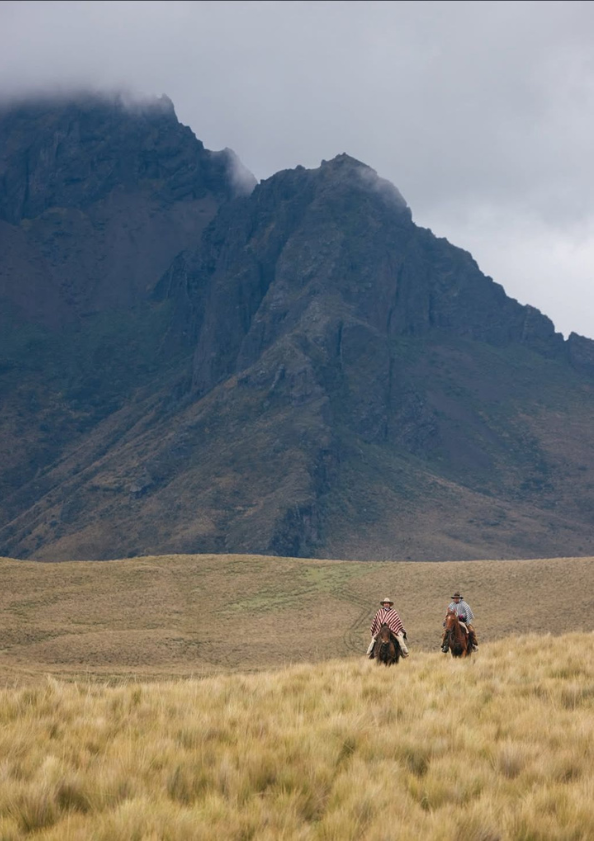
6. Cultivated Landscapes
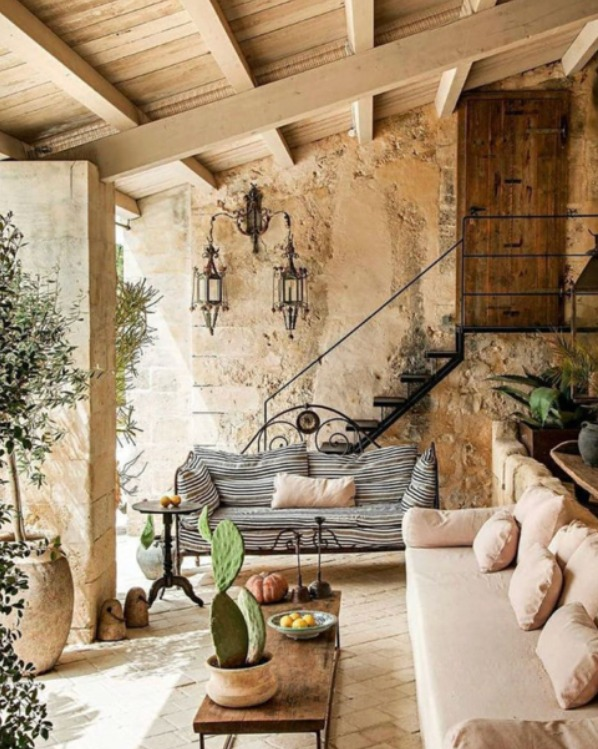
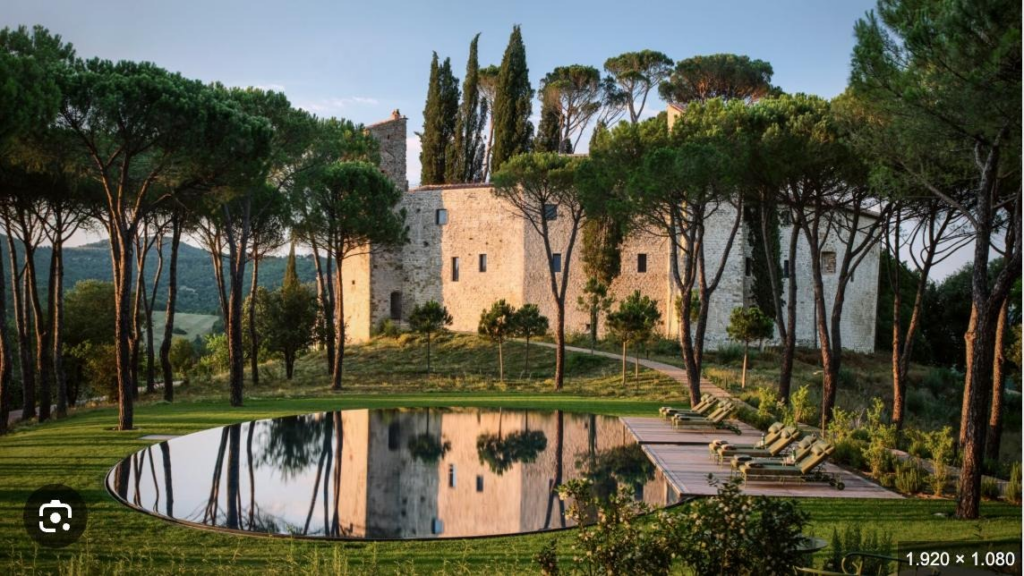
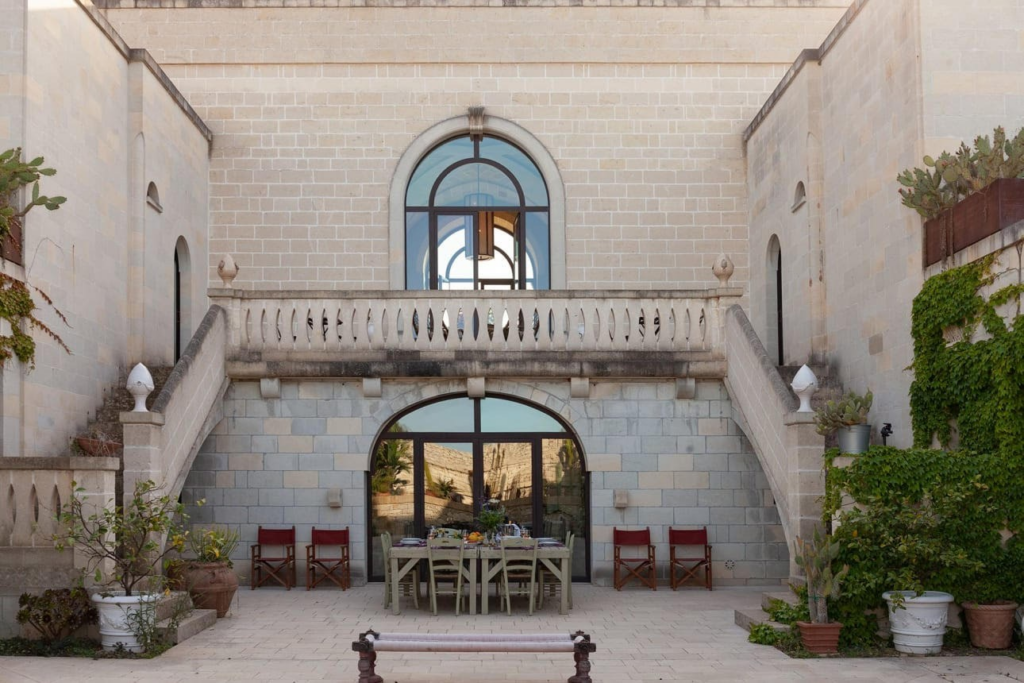
Luxury is being redefined through land that is consciously cared for.
These journeys take travellers into regenerative farms, forest gardens, vineyards, and traditional food systems – places where nourishment, design, and ecological intelligence are inseparable.
Meals become lessons.
Architecture becomes dialogue.
Land becomes teacher.
I see these experiences growing across Tuscany, Umbria, parts of France, Spain, and Portugal; across rural Japan and India; and in regions of Central and South America where stewardship, craft, and cuisine still belong to the same story.
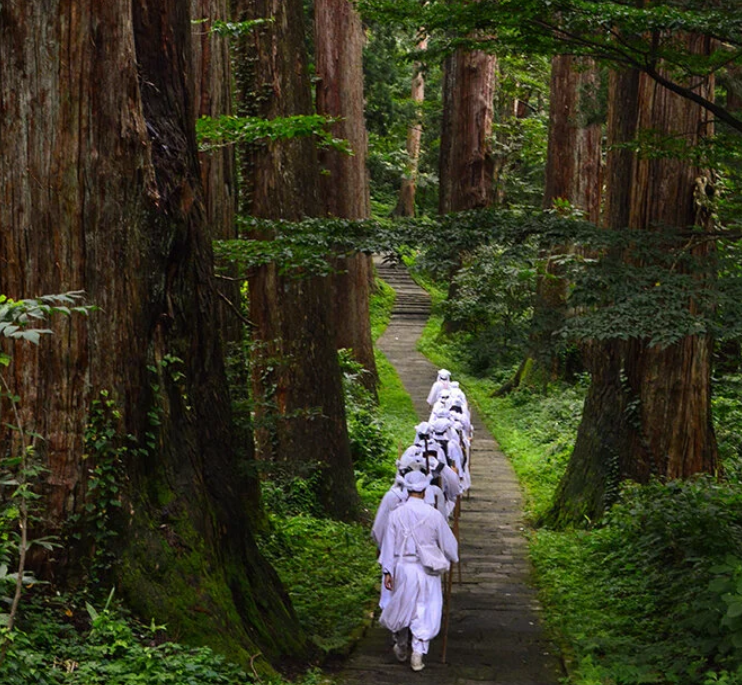
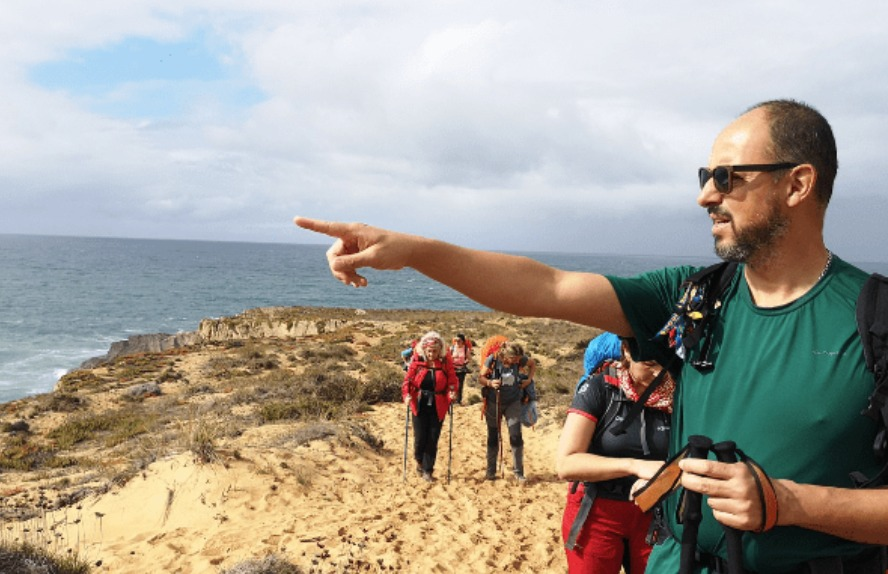
7. Walking as a Way of Knowing
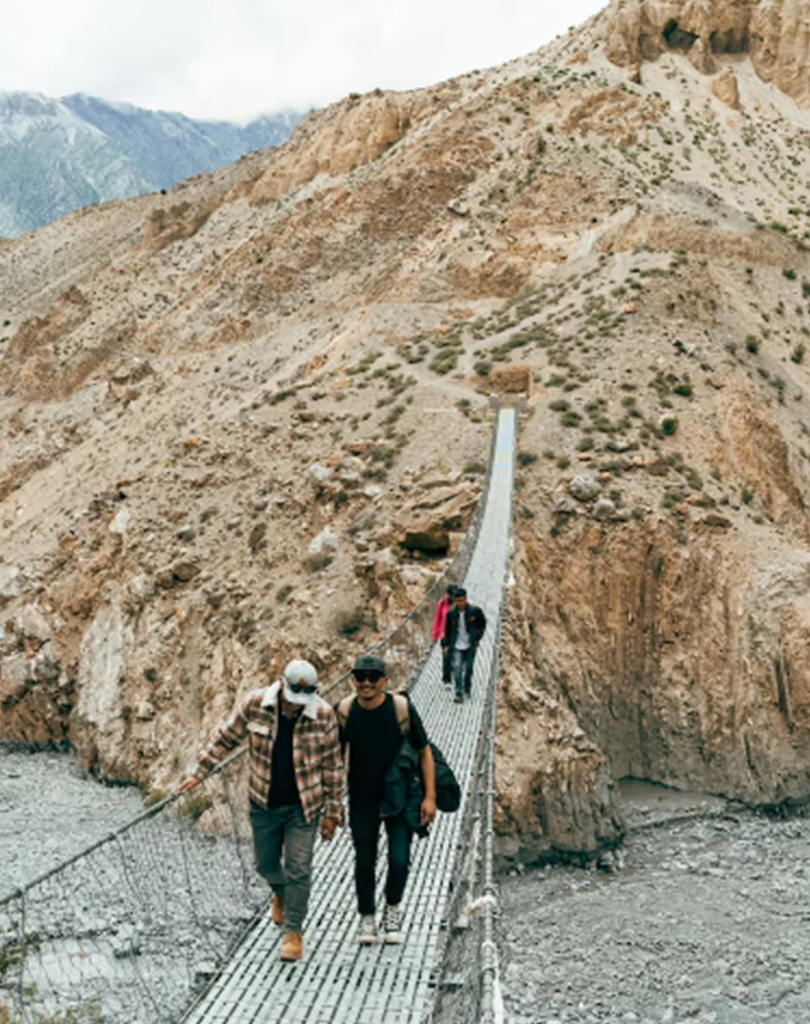
Walking is one of the oldest ways of understanding a place and one of the most overlooked.
These journeys slow the body enough for the senses to open. They create space for reflection, conversation, and intimacy with landscape. Arrival becomes a process, not an outcome.
Whether on ancient pilgrimage routes, rural pathways, or culturally guided walks, walking-led journeys turn travel into something embodied rather than consumed.
My partners and I design these experiences across Japan, Europe, Australia, parts of Africa, and Latin America.
8. Burnout Breaks: Rest as Recovery
These journeys are not about silence.
They are about relief.
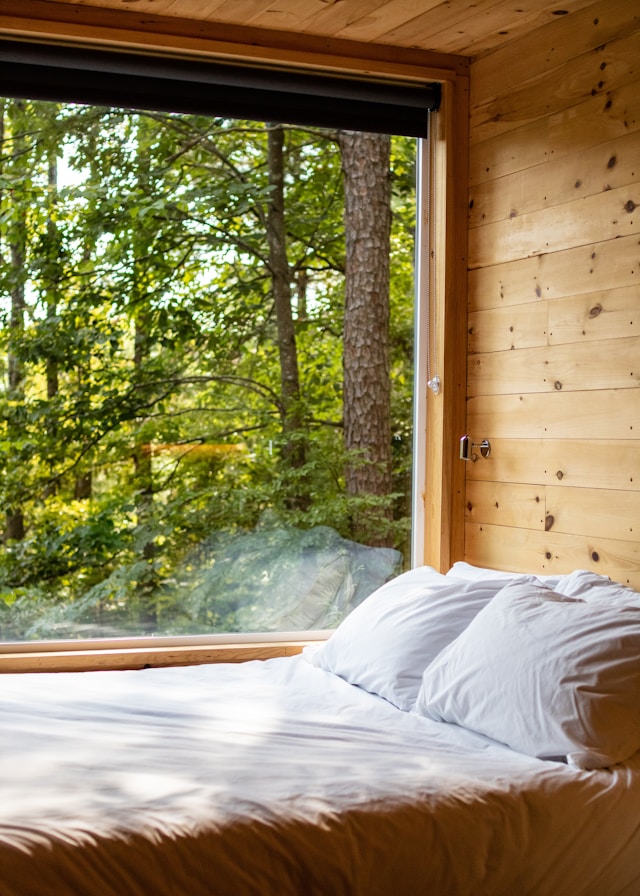
They respond to chronic overstimulation, decision fatigue, and cognitive overload. Their purpose is not productivity, growth, or transformation — but recovery.
They remove pressure.
They soften the pace.
They let the body lead.
Unlike quiet-led journeys, these focus on nervous-system regulation rather than reflection. They prioritise sleep, simplicity, care-led hospitality, and unstructured time.
Here, rest is not something you work toward.
It simply happens.
This shift is already visible in forest retreats, countryside sanctuaries, desert lodges, slow islands, and low-stimulation environments across the Indian subcontinent, Europe, Asia, and Africa.
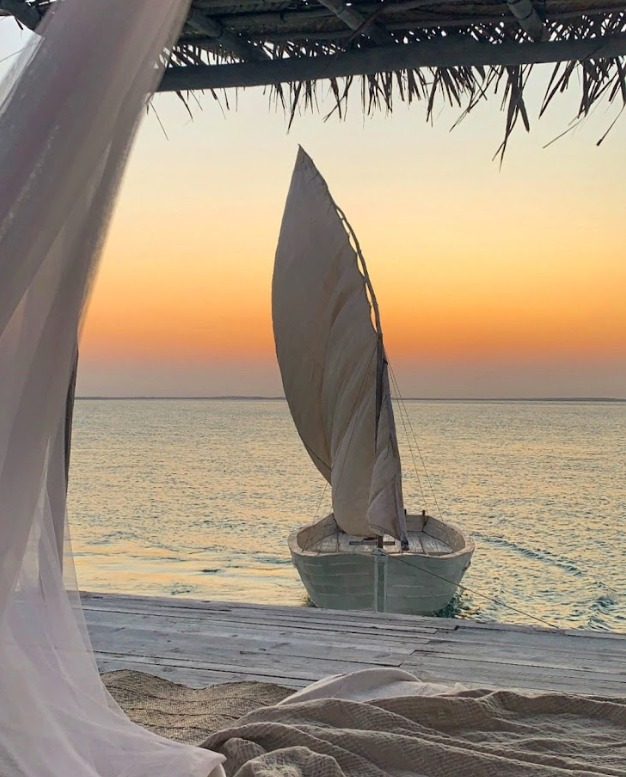
In these journeys, rest is not a tool.
It is the destination.
Designing for the Future of Travel
At Ubuntu, these directions are not speculative.
They are already unfolding, shaped by presence, guided by reciprocity, and built with care.
This is not travel as spectacle.
It is travel as a relationship.
And in the years ahead, the journeys that matter most will not be the ones that impress but the ones that help us move through the world, and return to it, more awake.
Photo Credits
- Unsplash
- Sussuro
- Nothing But Italy
- Sherpa Hospitality